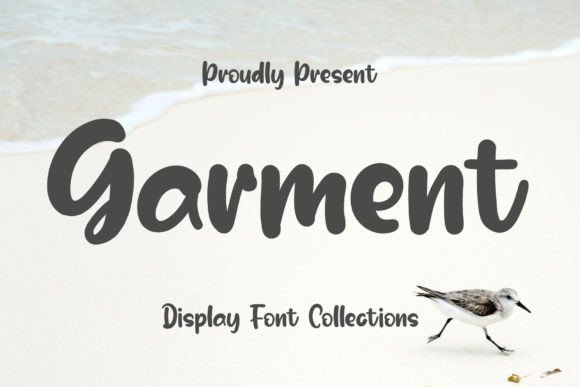
Garment Font: Elevate Your Design Projects with Elegance
Typography plays a crucial role in the visual appeal and readability of any design project. Whether you're crafting a magazine layout, designing marketing materials, or working on a creative hobby, choosing the right font can make all the difference. Garment is a beautiful display font that stands out for its elegance, versatility, and artistic flair. It's not just another font to add to your collection—it’s a tool that can help you create more compelling and professional designs with ease.
What Makes Garment Unique?
Garment is a display typeface that blends classic charm with modern sophistication. Its letterforms are carefully crafted to evoke a sense of refinement while remaining highly legible at larger sizes. This balance makes it particularly well-suited for headlines, titles, and decorative text in print and digital formats alike. The subtle serifs and smooth curves give it a timeless feel, yet the overall structure avoids being overly ornate, which helps maintain clarity in a wide range of applications.
Unlike many fonts that prioritize either style or function, Garment manages to do both. It’s designed with attention to detail—each glyph feels intentional, making it ideal for projects where aesthetics matter but communication must remain clear. For creators who value both beauty and usability, Garment offers a perfect middle ground.
Why Display Fonts Matter in Visual Communication
Display fonts like Garment are used to capture attention and set the tone for a design. They’re different from body or paragraph fonts because they’re typically used in smaller blocks of text or as emphasis rather than full sentences. In magazines, blogs, posters, and packaging, display fonts serve as the first point of engagement. A strong, visually appealing font can draw readers in and enhance the overall message.
With Garment, you gain a font that doesn’t shout but commands respect. Its understated elegance works wonders in editorial design, branding, and even social media content. If you're looking for something that feels premium without being distracting, Garment is worth considering.
Who Can Benefit Most from Garment?
Garment isn't just for designers. It caters to a broad audience, including professionals, educators, marketers, bloggers, small business owners, and hobbyists. Here’s how it can fit into various creative workflows:
- Magazine and Journal Editors: Use Garment for article titles, pull quotes, and section headers to add a refined touch to layouts.
- Graphic Designers: Incorporate it into branding projects, such as logos, packaging, or promotional materials, where a distinctive yet readable font is needed.
- Bloggers and Content Creators: Highlight key points, headings, or call-to-action sections with Garment to elevate the visual hierarchy of your posts.
- Craft Enthusiasts: From scrapbooking to greeting cards, this font adds an elegant finishing touch to handmade creations.
- Entrepreneurs and Marketers: Use Garment in presentations, brochures, or product descriptions to convey professionalism and creativity.
Real-World Applications for Garment
Let’s take a closer look at how Garment can be applied practically across different industries and hobbies:
In magazine design, the right font can define the entire publication’s character. Garment, with its balanced proportions and graceful strokes, fits seamlessly into high-end editorial layouts. It gives a polished look to fashion spreads, lifestyle features, or travel stories, helping to establish a mood before readers even dive into the content.
For crafting and DIY projects, Garment adds a layer of sophistication. Think about creating custom labels for homemade candles, designing wedding invitations, or personalizing home decor items. The font’s aesthetic quality ensures that your work looks professional and thoughtfully made, even if you're using basic tools.
If you're involved in branding, especially for products or services targeting a mature or upscale demographic, Garment could be the missing piece. It conveys trust, class, and a touch of personality—key elements in building a memorable brand identity.
How Garment Enhances Creativity and Efficiency
One of the biggest challenges in design is maintaining a balance between creativity and practicality. Garment simplifies this by offering a font that inspires creativity without requiring excessive tweaking. Its clean lines and consistent spacing mean less time spent adjusting kerning and tracking, allowing you to focus more on the overall design and less on technical details.
Moreover, the font’s availability in multiple weights (if supported) allows for greater flexibility. You might use a lighter version for subtle accents or a bolder weight for impactful headlines. This adaptability means you can use Garment in various parts of a single project, ensuring cohesion while still adding visual interest.
Designers often find themselves stuck when selecting the “right” font. With Garment, you can streamline this process. Instead of sifting through dozens of options, knowing that one font can cover a range of needs saves time and reduces decision fatigue. It becomes part of your go-to toolkit, especially for projects where a soft, elegant touch is required.
Strengthening Communication Through Typography
Fonts influence how messages are perceived. Garment communicates a sense of care and attention, making it ideal for content that aims to build connection or authority. In educational materials, for instance, it can help present information in a way that feels approachable yet credible. Teachers and educators might use it for classroom posters, handouts, or presentation slides to engage students visually while maintaining a professional tone.
Similarly, entrepreneurs and freelancers can leverage Garment in their portfolios or proposals. When clients see thoughtful typography, they perceive the creator as detail-oriented and professional. Even if the font is only used in a few strategic places, its presence can subtly shape the viewer’s impression of the entire project.
Practical Tips for Using Garment Effectively
To get the most out of Garment, consider these best practices:
- Pair with Simpler Body Fonts: Use Garment for display purposes and pair it with a sans-serif or serif body font for optimal readability. For example, pairing it with Roboto or Georgia can create a harmonious contrast.
- Use Sparingly: Since it's a display font, avoid using it for long paragraphs or dense text. Reserve it for headings, logos, and other focal points.
- Experiment with Color and Size: Garment shines when given room to breathe. Try increasing the size for dramatic effect or using muted colors for a softer impact.
- Consider the Context: While Garment works well in many settings, it may not be the best choice for everything. Test it in different environments to ensure it aligns with your project’s goals.
When to Consider Alternatives
No font is universally perfect. While Garment is versatile, there may be situations where other fonts perform better. For instance, if your project requires a bold, futuristic look, or something more playful and whimsical, you’ll need to explore additional options. Similarly, in multilingual projects, it’s important to check whether Garment supports the characters and glyphs you need.
Always compare Garment with other fonts in your specific context. Look at how it interacts with your color scheme, imagery, and layout. Sometimes, the smallest change—like switching to a slightly different font—can improve the overall flow and effectiveness of a design.
Conclusion
Garment is more than just a beautiful font—it's a strategic asset for anyone serious about design. Whether you're publishing a magazine, launching a new brand, or simply expressing your creativity in everyday crafts, Garment brings a level of elegance that enhances your work without overwhelming it. Its thoughtful design makes it easy to integrate into existing projects, saving time while elevating the final output.
By adding Garment to your fonts library, you equip yourself with a versatile tool that supports a variety of creative goals. It’s a font that respects the reader, honors the designer, and brings a quiet confidence to every piece it touches. So next time you're reaching for a display font, consider what Garment can bring to the table. You might just find it's exactly what your designs have been missing.